

Desperate Measures or Criminalizing “Mass. and Cass.”
- Jun 1, 2024
- 3 min read
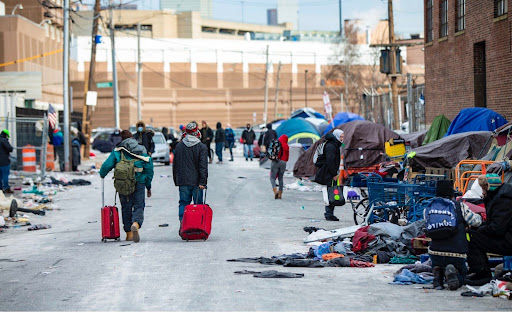
The vehicle cluttered Melnea Cass boulevard intersects the everlong Massachusetts avenue at “Mass. and Cass.”, the intersection that conflicts with its neighbors; the four star Hamilton Suites across from a nest of BU and Boston Medical facilities, which contrasts the Mickey Dee’s and its locked restrooms, and around the clock security. A block away, within the nest of medicine, is a methadone clinic, which gives “Mass. and Cass.’s its local nickname, “methadone mile”. The trickling disaster of the pandemic closed methadone clinics, and some addiction services across Massachusetts, which opened many encampments, along the intersection and nearby, of discarded debris or whatever the tent host managed to collect.
The ever returning settlements after each clean up cycle by those in treatment themselves, and a few officers detailing, reminds our city that gentrification doesn’t veil poverty, homelessness and addiction, it excites it.
Boston Mayor Michelle Wu, is pushing the state to help fund 1,000 units of speedy housing accommodations outside the city, and is revisiting the proposal of using the local Suffolk County Jail to house the “Mass. and Cass.” inhabitants, which stirred thoughts of ethics, but with the Fall in action, and the preceding winter, the jail may need to be utilized. This time around it was suggested that only those with criminal convictions will be housed there, but under what stipulations is unclear.
The city is considering using Section 35, which allows authorities to place individuals in involuntary treatment, if their condition is hazardous. Suffolk County Sheriff, Steve Tompkins isn’t looking to implement Section 35 as of now. It would seem that the stigma of criminalizing addiction has deterred him and other officials from the act, based on prior criticism of its initial suggestion.
Why aren’t the shelters helping? Many of the shelters available are “dry shelters'' which alienates those that aren’t ready for treatment, since they require them to be clean to use their services. Unfortunately, some of those with active addictions vouch
for the freedom of these streets, where they can freely use, while it provides their methadone, and their drugs delivered.
The problem stems beyond Boston’s limitations to house or provide services, as some outside clinics are reluctant to expand their services, even after some are the cause for shoveling the disaster of services, towards Boston’s city streets. WBUR correspondent Debra Becker notes the open use of illegal drugs and dealers explicitly selling, which could constitute justification for criminal action of Mass.-Cass. individuals. With the continued reemergence of tents, which was already denied by the city, local businesses, residents and a nearby Orchard Gardens’ K 8 school, are frustrated with the camps, rise in crime, vandalism and drug paraphernalia. Becker quotes the city councilman Fred Baker on the use of involuntary treatment for mental health and addiction; if there is no change in trajectory, we are committing them to “long term hospice”, says Baker.
Northeastern Professor of Law and Health Sciences, Leo Beletsky, comments that Mass. has the most utilized involuntary treatments and finds that patients released are “worse off.”
Senator Nick Collins argues that housing shouldn’t precede treatment, but should be paired, probably as an obligation.
As officials, experts and the locals warn over measures on the ever returning congregation that is Mass. and Cass., acts continue to leave a bandaid on a resistant-to-antibiotic wound, especially impacting the victims on Mass. and Cass.


Comments